

How Do You Plan Group Transportation for a Concert?

Quick Summary
Plan group transportation for a concert by starting with a firm headcount, then matching the vehicle to that number with a small buffer. Choose one central pickup point, build in extra time for venue traffic, share a written itinerary, and get a written quote before booking.
- Confirm the final headcount in writing and add one or two seats as a buffer.
- Sedans or SUVs suit 1 to 4 passengers, vans suit 5 to 10, and minibuses or coaches suit 11 or more.
- Size up one vehicle tier if the group sits at the top of a vehicle’s stated capacity.
- Set one central pickup point and a backup meeting spot, and share them with everyone.
- Compare total quotes, since overtime, gratuity and waiting charges can raise the price.
Table of Contents
- Start With Headcount and Vehicle Capacity
- Group Transportation Planning Checklist for Concert Nights
- Concert Transportation Timeline: What to Book and When
- Setting Pickup Points, Routes and Traffic Buffers
- Building a Group Travel Itinerary for a Concert
- Questions to Ask a Concert Transportation Provider Before You Book
- Booking Your Group Transportation for Your Next Show
- Frequently Asked Questions
How Do You Plan Group Transportation for a Concert?
Last Updated: November 21, 2026
Start With Headcount and Vehicle Capacity
Planning group transportation for a concert starts with one number: how many people are actually riding. Get that count right first, because every other decision, vehicle type, pickup point, schedule, and budget, depends on it.
Group transportation planning works best when you start with a firm passenger count and work outward. Ask everyone to confirm in writing, then add one or two seats as a buffer for last-minute changes. A group that grows after booking is the most common reason plans fall apart.
Matching Vehicle Size to Passenger Count
Match the vehicle to the group, not the other way around. A sedan fits a small party, a van fits a mid-sized group, and a larger coach suits a full crew.
- 1 to 4 passengers: A sedan or SUV usually works well
- 5 to 10 passengers: A passenger van is a common fit
- 11 or more: Plan for a minibus or larger coach
Leave room for bags, coats, and concert gear. Concert nights bring extra cargo, so a vehicle that is full on paper can feel cramped in practice. A useful rule of thumb: if the group is at the top of a vehicle’s stated capacity, size up one tier rather than squeezing in.
Choosing Between Vans, SUVs, and Larger Coaches
Each vehicle type has trade-offs, and the right pick depends on more than headcount. Use this decision framework to compare options side by side:
| Factor | SUV / Sedan | Passenger Van | Minibus / Coach |
|---|---|---|---|
| Best group size | 1-4 | 5-10 | 11+ |
| Cargo room for bags and gear | Limited | Moderate | Generous |
| Ease of parking and loading at the venue | Easiest | Moderate | Needs advance planning |
| Schedule flexibility | High | High | Lower, fixed departure windows |
| Comfort on longer drives | High | Moderate | High |
| Budget efficiency per person | Lowest | Moderate | Highest for large groups |
SUVs suit small groups that want comfort and privacy. Vans balance seating and cargo space well. Larger coaches move big groups together but need more planning for parking and loading, and they often run on fixed departure windows rather than waiting for stragglers.
Ask any provider how many seats they count as usable and whether the stated capacity includes the driver. Those details decide whether everyone fits comfortably. A common pattern is that a vehicle advertised for 14 passengers seats 12 comfortably once bags and coats are aboard.
Watch out: if your group is split between two vehicles, confirm both will depart and return on the same schedule, mismatched departure times are a frequent source of post-show confusion.
Group Transportation Planning Checklist for Concert Nights
Use this checklist to keep group transportation planning on track:
- Confirm the final headcount with everyone riding
- Pick the event date, start time and end time
- Choose a vehicle type that fits the group, plus a small buffer
- Set one central pickup point and a backup meeting spot
- Share the pickup time with every passenger in writing
- Plan the post-show meetup point and pickup window
- Ask the provider about driver contact and late-arrival policies
- Get a written quote and confirm what it includes
- Send a final reminder 24 to 48 hours before the show
A short checklist like this prevents most day-of problems. For a look at the event transportation options and planning tips available for shows, see event transportation options. Keep one copy in your group chat and one in your email so everyone can find it.
Concert Transportation Timeline: What to Book and When
Booking early protects your options. Popular concert nights fill vehicles quickly, especially for larger groups and weekend shows.
A practical timeline looks like this:
- Several weeks before the show: Confirm the concert date and get a headcount estimate
- Two to four weeks before: Request quotes and compare vehicle options
- One to two weeks before: Book the vehicle and confirm the pickup plan in writing
- Two days before: Confirm the headcount and send the final itinerary to everyone
- Day of the show: Confirm the driver’s arrival time and contact information
Build in extra time for surprises. If your group includes people who are slow to reply, start collecting RSVPs even earlier.
Setting Pickup Points, Routes and Traffic Buffers
Pickup logistics decide whether a concert ride runs smoothly. The right pickup point, route and timing save time and stress for the whole group.
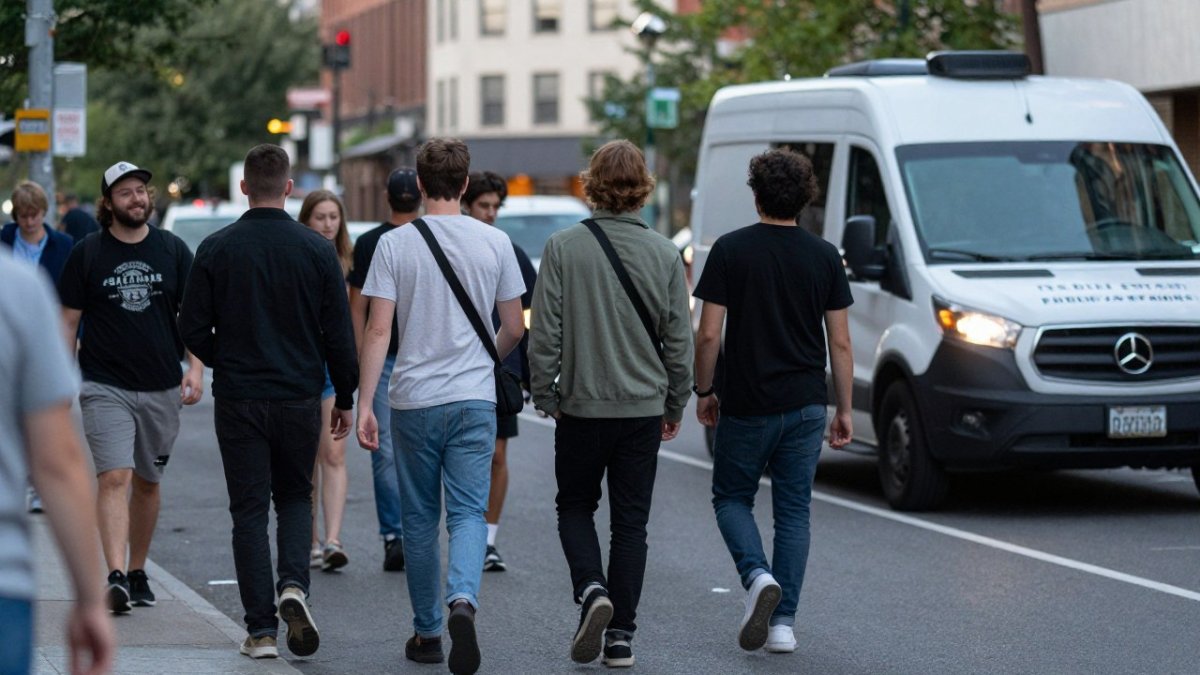
Concert traffic can build fast around a venue. Plan for it from the start. See how a private chauffeur handles high-traffic event days in Tampa Bay.
Choosing a Central Pickup Location
Pick one central pickup point for the group. A single location is simpler to coordinate than several separate addresses. Choose a place that is easy to find, has room for a larger vehicle to stop, and is safe for people waiting in the evening.
Share the exact address, a landmark and a backup spot. If a vehicle cannot stop at the main point, everyone should know where to go next.
Allowing Extra Time for Venue Traffic and Loading Zones
Venue traffic is often the biggest surprise on concert night. Roads near the venue can slow down well before and after the show. Loading zones may be limited, and drop-off areas can be far from the entrance.
Plan these buffers into your schedule:
- Before the show: Add extra time for traffic and parking delays
- After the show: Expect a slow exit and set a longer pickup window
- At the venue: Ask the driver where the loading zone is and whether there is a designated area
Early arrival is a good habit. A relaxed pickup beats a rushed one, especially when the group needs to be on time for doors or the opening act.
Building a Group Travel Itinerary for a Concert
A written itinerary keeps everyone on the same page. It should cover every stop from pickup to return home.
Include these details in your itinerary:
- Pickup time and address: The exact central pickup point
- Venue arrival time: When the group should be at the entrance
- Post-show pickup window: The time range and meetup spot
- Return route: Drop-off order and final stops
- Contact details: The driver and group organizer
Send the itinerary before the day of the show and keep a copy handy on your phone. You can review the group event car service available for shared trips like concerts. Clear details reduce last-minute messages and confusion.
Questions to Ask a Concert Transportation Provider Before You Book
Ask good questions before you commit. These answers show whether a provider can handle your group well, and they surface the cost and contingency details most groups only discover after they have paid.
Capacity and Vehicle Questions
- How many passengers can the vehicle carry, including the driver?
- Is there room for concert bags, coats, and gear?
- How far in advance should we book for this date?
- Is the driver familiar with the venue’s loading zones and traffic patterns?
Cost and Quote Questions
Ask for a written quote and confirm exactly what it covers. Ask the provider to explain how its quote is built, including any base rate, time charges, and extras. Ask specifically:
- What is the total price, and what does it include?
- Is the quote based on hours, distance, or a flat rate, and what happens if the show runs long?
- How is overtime billed if the group returns later than planned?
- Is gratuity included, or is it added separately?
- Are there charges for extra stops, waiting time, or tolls?
- What deposit is required, and what is the cancellation policy?
Once you have the total, divide it by the number of riders to get a per-person cost, which makes cost-sharing easier to manage.
Contingency and Day-of Questions
- What is the plan if the driver is delayed or traffic slows the route?
- How will the driver contact the group on the day of the show?
- What is the post-show pickup policy if the show runs late?
- What happens if the vehicle breaks down, what backup does the provider offer?
- How does the provider handle severe weather or a sudden schedule change?
Get the answers in writing. A clear quote and a written contingency plan protect both sides, and they give your group a script to follow if something goes wrong on concert night.
Watch out: a quote that looks lowest on the base rate can cost more once overtime, gratuity, and waiting charges are added, compare totals, not hourly rates.
Booking Your Group Transportation for Your Next Show
Group transportation takes the stress out of concert night when you plan early. Start with headcount, pick the right vehicle, set a central pickup point and build in traffic time.
For a quote tailored to your group size and show date, contact FDJ Luxury Rides.
Frequently Asked Questions
How far in advance should you arrange transportation for a concert?
For a large group or a popular show, book your transportation as soon as the concert tickets are confirmed, and ideally at least several weeks ahead. Early booking gives you a wider choice of vehicle sizes and drivers, and it leaves time to collect headcounts and adjust the plan if tickets change. Last-minute bookings for groups are harder to fill with the right vehicle, especially on nights with heavy demand. Confirm the final pickup times and passenger count with the provider about a week before the show so any changes can still be accommodated.
How much extra time should you allow for concert traffic?
Plan for more travel time than a normal trip, and build in a buffer for the venue’s arrival period. Traffic near large venues often builds well before the doors open and again as the show lets out. Check the venue’s parking and loading-zone guidance, and factor in the time it takes a full group to board. Allowing extra time before the show is usually easier on the group than trying to recover lost time on the way in. Ask your transportation provider how they plan routes around the venue on event nights.
What should you include in a concert transportation plan?
A useful plan lists the event date and show time, the confirmed passenger count and each person’s pickup point, the vehicle type and capacity, the pickup and drop-off times, and a backup contact for the driver. It should also note the post-show meetup point and how the group will regroup if people leave at different times. Including a simple contingency step, such as a fallback pickup location or a plan for a late arrival, keeps the group moving if something changes on the day.