

Why Hire Professional Wedding Transportation Coordinators

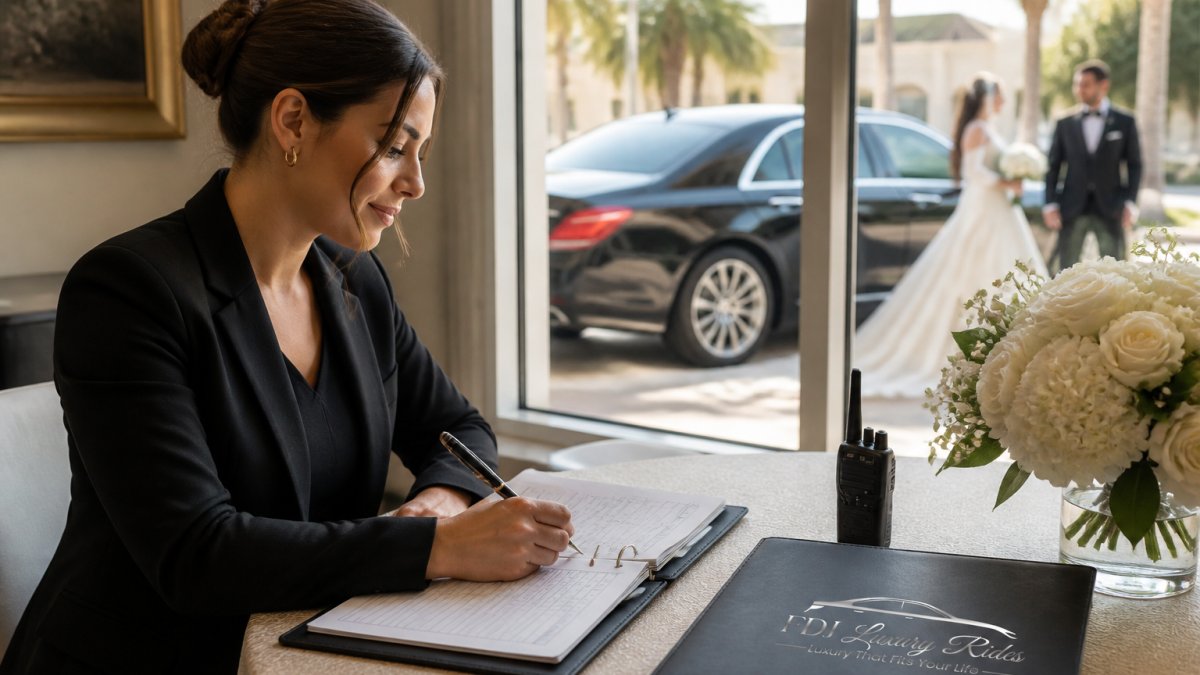
Table of Contents
- What Professional Wedding Transportation Coordinators Actually Do
- How to Plan Wedding Logistics for Multi-Day Events
- Creating a Wedding Day Transportation Timeline Template
- Coordinating Wedding Party Travel Schedules
- The Cost-Benefit of Professional Transportation Coordination
- Safety, Liability, and Insurance Considerations
- Reducing Stress and Improving Guest Experience
- Handling Unexpected Issues on Wedding Day
- Frequently Asked Questions
Last Updated: October 1, 2026
What Professional Wedding Transportation Coordinators Actually Do
Professional wedding transportation coordinators manage the logistical flow of guests, wedding parties, and vendors across multiple venues and time zones. They handle vehicle assignments, driver communication, real-time tracking, and contingency planning so your wedding day moves seamlessly from ceremony to reception to after-parties.
A professional coordinator isn’t just booking cars, they’re managing timelines, communicating with drivers, handling unexpected delays, and ensuring every guest knows exactly when and where to be.
Here’s what the role actually encompasses: coordinating arrival windows so guests don’t pile up at the venue entrance, managing the wedding party’s pre-ceremony preparation schedule, tracking real-time traffic conditions and adjusting ETAs, communicating directly with all drivers on a unified channel, handling guest questions about pickup times and locations, and solving problems the moment they arise rather than after the fact.
The difference between DIY arrangements and professional coordination comes down to one thing: someone is actively managing the operation minute-by-minute, not hoping everything works out. When a guest’s flight lands 45 minutes early, a coordinator adjusts. When traffic on the main route backs up, a coordinator reroutes. When a vendor needs to arrive two hours before the contracted time, a coordinator makes it happen.
How to Plan Wedding Logistics for Multi-Day Events
Multi-day weddings compound the coordination challenge exponentially. You’re not managing one event window, you’re managing rehearsal dinners, welcome events, the main wedding day, brunches, and potentially multiple venues across different locations.
Start by mapping every event with precise timing. Document when each guest group needs to arrive (wedding party at 2 PM for photos, ceremony guests by 3:30 PM, reception guests by 5 PM). Identify which guests need coordinated transportation versus those driving themselves. Separate your groups: immediate family, wedding party, out-of-town guests, local guests, vendor staff.
Build a master timeline that works backward from each event’s start time. If the ceremony starts at 4 PM and your venue is 20 minutes from the airport, guests flying in need pickup by 3:15 PM at the latest. If your photographer needs setup time, they arrive 90 minutes early. Each person gets a specific arrival window, not a vague estimate.
Assign a single point of contact for all transportation questions. Guests shouldn’t have to figure out who to call, they text one number and get an immediate response. This person (or a professional coordinator) manages the communication stream, answers questions, confirms details, and updates drivers in real time.
For multi-day events, consider transportation patterns across the entire weekend. Thursday rehearsal dinner guests need pickup. Friday welcome event attendees need coordination. Saturday wedding day is your heaviest lift. Sunday brunch requires a lighter touch. Planning each day independently misses the efficiency gains of consolidating vehicle usage and driver assignments across the full event.
Creating a Wedding Day Transportation Timeline Template
A wedding day timeline is only useful if it’s specific enough to execute and flexible enough to adapt. Here’s the structure that works:
Start with your ceremony time as the anchor point. Work backward in 15-minute increments. If your ceremony is at 4 PM and your venue is 25 minutes from the airport, your latest airport pickup for ceremony guests is 3:25 PM. If you’re doing formal photos beforehand, your wedding party needs to arrive 90 minutes before the ceremony, which means they need pickup by 2:15 PM.
Document each transportation “wave”, groups of people moving at the same time. Wave 1 might be your wedding party departing their hotel at 2 PM. Wave 2 is ceremony guests departing hotels at 3 PM. Wave 3 is reception-only guests arriving at 5 PM. Each wave has a departure location, departure time, destination, and arrival deadline.
Include buffer time. Real traffic rarely matches GPS estimates, especially on a Saturday. Add 10-15 minutes to every estimated drive time. If your coordinator says “guests will arrive by 3:45 PM,” they’ve already built in a safety margin.
Identify contingency scenarios in advance. What happens if a guest’s flight is delayed? Who communicates the new pickup time? What’s the backup route if traffic is severe? Do you have a secondary vehicle available if the primary breaks down? Document the decision tree so your coordinator doesn’t have to improvise under pressure.
Share this timeline with all drivers 48 hours before the event. They need to know not just their first pickup, but the full sequence of movements so they understand the day’s flow. A driver who knows the overall plan makes better decisions when unexpected situations arise.
Coordinating Wedding Party Travel Schedules
Your wedding party faces unique scheduling pressure. They’re managing their own preparation, coordinating with photographers, and often traveling from out of town. Their transportation needs to work around hair and makeup appointments, photo sessions, and family logistics.
Start by collecting their actual arrival times and locations. Don’t assume your best man is flying in Friday morning, confirm it. Get specific flight numbers, hotel addresses, and whether they’re renting cars or need coordination. Some wedding party members may be driving themselves; others need full transportation support. Know which is which.
Build the wedding party’s timeline separately from guest transportation, then integrate it into the master plan. Your maid of honor might need pickup at 7 AM for a 8 AM hair appointment. Your groomsmen might arrive at the hotel at 2 PM and need to be at the venue by 3 PM for photos. Your parents might need transportation from the airport Thursday evening. Each person’s schedule is distinct.
Assign a dedicated driver or small team for your wedding party if possible. They develop familiarity with the group, understand the priorities, and can handle last-minute changes without confusion. A professional coordinator ensures this team stays synchronized with the overall event timeline.
Communicate directly with your wedding party about transportation. Send them a simple one-page document with their pickup time, pickup location, driver contact information, and any special instructions. Don’t bury it in a 20-page wedding weekend guide. Make it impossible to miss or forget.
The Cost-Benefit of Professional Transportation Coordination
Hiring a professional wedding transportation coordinator involves trade-offs worth examining carefully. The primary benefit is risk reduction: you’re paying someone to own the responsibility of getting people where they need to be, on time, without drama.
Consider what goes wrong without professional coordination. A guest’s flight lands early, and nobody’s there to pick them up. Another guest misses their scheduled pickup because they weren’t clear on the time. Traffic is worse than expected, and your ceremony starts 20 minutes late. Your photographer arrives after the couple has already left for photos. These aren’t minor inconveniences, they derail your day’s timeline and create stress exactly when you need everything running smoothly.
A professional coordinator eliminates these failure points. They’re actively managing arrivals, confirming with drivers, adjusting for traffic, and solving problems in real time. You’re not managing logistics on your wedding day, you’re enjoying it.
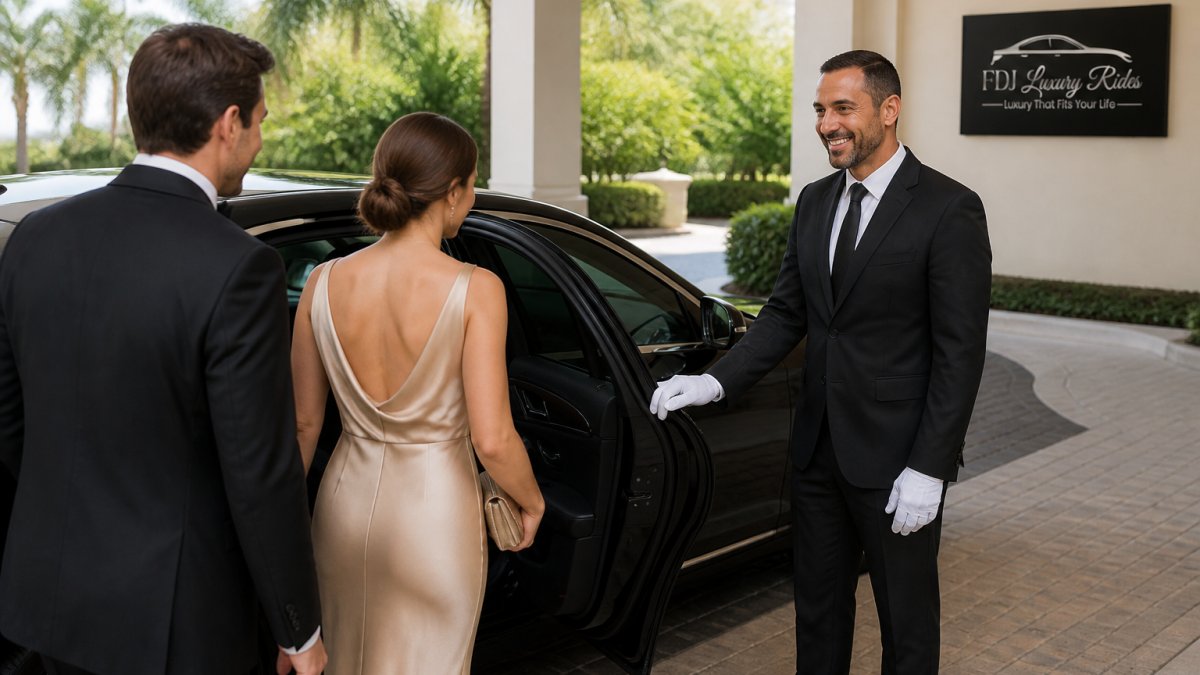
The secondary benefit is guest experience. When guests know exactly when their transportation arrives and where to be, they feel taken care of. When a driver greets them professionally and the vehicle is immaculate, it sets the tone for the entire event. Transportation is often the guest’s first interaction with your wedding, a smooth arrival creates a positive impression before the ceremony even starts.
The cost-benefit calculation depends on your event size and complexity. A small, single-venue wedding with mostly local guests might not require professional coordination. A multi-day event with out-of-town guests, multiple venues, and a large wedding party almost certainly does. The larger the guest count and the more complex the logistics, the clearer the case for professional help becomes.
Safety, Liability, and Insurance Considerations
Transportation involves legal and safety responsibilities you shouldn’t overlook. When you’re coordinating guest movement, you’re responsible for ensuring drivers are qualified, vehicles are maintained, and the operation follows applicable regulations.
Verify that any transportation service you hire carries commercial liability insurance. This protects you if something goes wrong, an accident, property damage, or injury. A professional service like FDJ Luxury Rides carries full commercial coverage, meaning your guests are protected and you’re not exposed to liability if an incident occurs.
Confirm that all drivers have valid commercial licenses and clean driving records. Some transportation providers operate with standard personal vehicle insurance, which doesn’t cover commercial use. That’s a significant gap.
Reducing Stress and Improving Guest Experience
The emotional benefit of professional coordination is often overlooked. You’re getting married, you should not be managing a transportation operation on your wedding day.
Handling Unexpected Issues on Wedding Day
Even with perfect planning, something will go wrong. A flight delays. Traffic backs up. A driver gets sick. A vehicle has a mechanical issue. The question isn’t whether unexpected problems occur, it’s whether you have someone actively managing them.
Frequently Asked Questions
What are the primary responsibilities of a wedding transportation coordinator?
Professional wedding transportation coordinators manage all vehicle logistics, including scheduling pickups and drop-offs, tracking arrival times, communicating with drivers and vendors, coordinating the wedding party’s travel, managing guest transportation, and handling timeline adjustments. They serve as the single point of contact for all transportation needs, ensuring every guest arrives on time and safely. This includes monitoring traffic conditions, coordinating with venues, and solving problems in real-time so the couple and wedding party can focus on enjoying the event.
How does professional transportation coordination improve the guest experience?
When guests don’t have to worry about parking, navigation, or arranging their own rides, they arrive less stressed and more focused on celebrating. Professional coordination ensures reliable, timely arrivals, eliminates confusion about transportation logistics, and provides a seamless, elegant experience from start to finish. Guests feel cared for when transportation is handled professionally, and the couple benefits from knowing everyone will arrive safely and on schedule, reducing day-of anxiety.
What happens if a driver gets stuck in traffic and guests might miss the ceremony?
Professional wedding transportation coordinators monitor traffic conditions in real-time and adjust routes proactively. They track vehicles, communicate delays immediately with all parties, and have contingency plans in place. If delays occur, they notify the venue and wedding party so timing can be adjusted if needed. This real-time management and communication is something DIY arrangements cannot provide, a coordinator ensures you’re never caught off guard by unexpected traffic.
Is hiring a professional transportation coordinator worth the investment compared to asking friends or using rideshare?
Professional coordination eliminates liability risks, ensures reliable service from vetted drivers, provides real-time tracking and communication, and removes the burden from friends who should be enjoying the wedding. Rideshare services don’t offer point-of-contact coordination, can cancel last-minute, and lack the reliability professional services provide. A coordinator ensures consistent, elegant service and handles all logistics, allowing you to focus on the event rather than managing transportation headaches on your wedding day.