

TPA Airport Logistics for Corporate Events: A 2026 Guide


Table of Contents
- Understanding TPA Airport Logistics for Corporate Events
- Corporate Ground Transportation Planning Essentials
- VIP Airport Arrival Management Strategies
- Managing Group Arrivals and Multi-Vehicle Logistics
- Meeting Venue Accessibility and Transportation Integration
- Professional Standards and Reliability for Executive Ground Transportation
- Frequently Asked Questions
Last Updated: September 26, 2026
Understanding TPA Airport Logistics for Corporate Events
TPA airport logistics for corporate events involves coordinating ground transportation, managing passenger arrivals, and ensuring seamless integration between airport operations and your event venue. This goes far beyond simply arranging a few rides. It’s about synchronizing multiple moving parts: real-time flight monitoring, vehicle positioning, terminal navigation, and contingency protocols that keep your event on schedule even when things go wrong.
FDJ Luxury Rides has experience in managing corporate arrivals for various events. The difference between a smooth arrival experience and a chaotic one comes down to planning and execution. Most event planners underestimate how much coordination is required when you’re moving 20, 50, or 100 people through an airport simultaneously.
The stakes are high. Your CEO arrives late because a driver got lost. Your clients experience a 45-minute wait outside baggage claim. These aren’t minor inconveniences, they set the tone for your entire event. The logistics phase is your first impression.
Corporate Ground Transportation Planning Essentials
Effective ground transportation starts with a clear understanding of your numbers, timeline, and vehicle requirements. This section breaks down the critical elements that separate organized arrivals from logistical disasters.
Pre-Event Coordination Timeline
Planning ground transportation in advance is crucial for securing vehicles, coordinating with drivers, and building contingency capacity.
Week 3 before event: Confirm total headcount and arrival window. Get a preliminary flight list from your travel coordinator or attendees. Identify any VIP arrivals that require special handling. Contact your transportation provider and discuss capacity needs.
Week 2 before event: Finalize vehicle count and driver assignments. Confirm pickup locations and drop-off points. Brief drivers on route options, parking procedures, and communication protocols. Establish a real-time communication channel (group text, WhatsApp, or dedicated app).
Week 1 before event: Verify all flight information one final time. Send arrival instructions to attendees. Conduct a final walkthrough with your transportation coordinator and key drivers. Identify any last-minute changes or cancellations.
Day before event: Confirm final headcount. Brief all drivers on weather, traffic patterns, and any route changes. Ensure vehicles are fueled, cleaned, and mechanically ready.
Day of event: Activate real-time flight monitoring. Position drivers strategically near the airport. Maintain active communication with all drivers throughout the arrival window.
Capacity Planning and Vehicle Selection
Choosing the right mix of vehicles prevents bottlenecks and ensures professional presentation. A common mistake is renting too many large vehicles when a combination of executive cars and vans would work better.
For groups of various sizes, a mix of executive sedans, SUVs, and professional vans can be utilized to maintain a professional tone and offer flexibility.
Consider the passenger profile. Are these C-suite executives, mid-level managers, or a mixed group? Executive arrivals typically call for black cars or luxury SUVs. Larger corporate groups can use professional vans or coaches without sacrificing professionalism. The vehicle choice communicates your event’s caliber before anyone steps foot at your venue.
FDJ Luxury Rides offers a range of vehicles to accommodate various group sizes, from single executive pickups to coordinated multi-vehicle operations, ensuring a consistent professional standard.
VIP Airport Arrival Management Strategies
VIP arrivals demand a different approach than standard group transportation. These passengers expect personalized service, precise timing, and discretion.
Real-Time Flight Tracking and Coordination
Real-time flight monitoring is non-negotiable for executive arrivals. You need to know the exact moment a flight lands so you can position your driver accordingly.
Utilizing flight tracking systems helps monitor departures, delays, and gate assignments, allowing for precise driver positioning at the designated pickup zone.
Automated alerts for key flights can provide immediate notifications upon landing, which assists in coordinating with the driver to ensure the VIP passenger finds their car waiting upon exiting the terminal.
Professional chauffeur services aim to position drivers strategically before passenger exit, requiring advance knowledge of flight status and baggage claim procedures.
Terminal Navigation and Designated Pickup Zones
TPA has designated pickup zones for different vehicle types. Professional chauffeur services use specific zones that differ from rideshare or taxi areas. Knowing these zones and using them correctly signals professionalism to your arriving passengers.
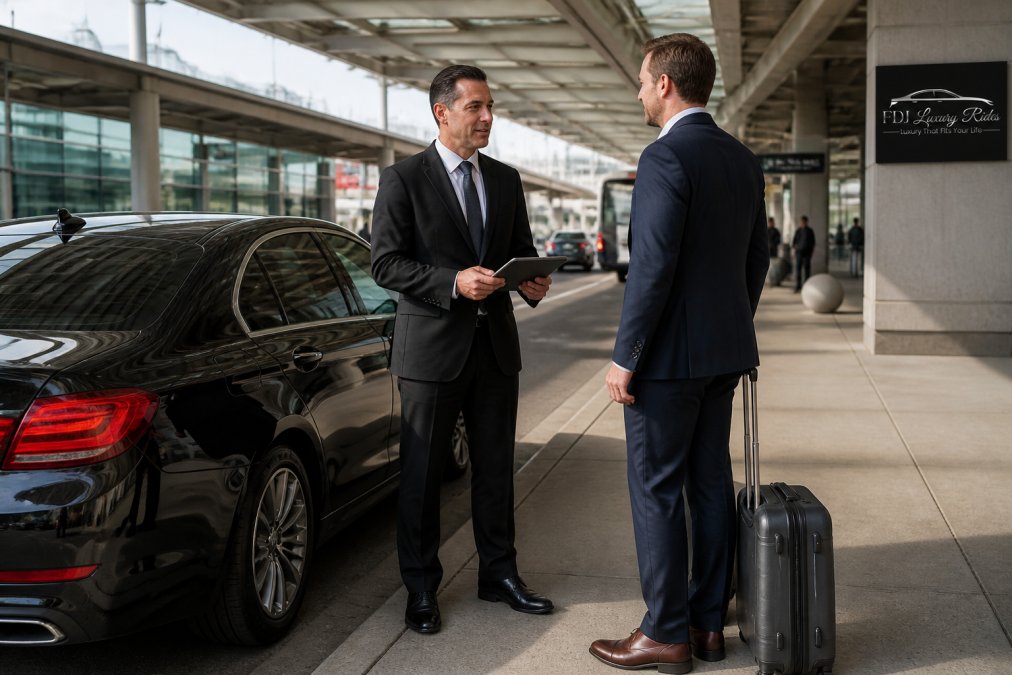
Professional chauffeur services utilize designated pickup zones in each terminal. Drivers are typically professionally dressed and may use a name placard to assist passengers in identifying their vehicle.
Effective terminal navigation involves understanding baggage claim locations, ground transportation levels, and traffic flow patterns. Drivers should be knowledgeable in directing passengers to the correct pickup zone.
Managing Group Arrivals and Multi-Vehicle Logistics
Group arrivals create exponential complexity. You’re not coordinating one driver and one passenger; you’re orchestrating multiple vehicles, multiple drivers, and multiple passengers arriving within a compressed timeframe.
Coordinating Multiple Vehicles Simultaneously
Clear communication and strategic positioning are key to managing multiple vehicles, which can involve assigning specific arrival windows and passenger groups to stagger arrivals.
Establishing a primary communication channel for drivers can facilitate real-time updates, allowing for adjustments to positioning based on flight status or baggage claim delays.
Utilizing a staging area near the airport can help manage vehicle readiness between arrivals and reduce terminal congestion.
Itinerary Planning and Contingency Protocols
Building contingency time into schedules is important for managing disruptions such as flight delays, traffic, or unforeseen incidents.
Documenting backup plans is crucial for addressing potential issues such as driver unavailability, vehicle breakdowns, or missed flights.
Creating a master itinerary that includes flight times, passenger names, vehicle assignments, and driver names can ensure all stakeholders operate with current information.
Meeting Venue Accessibility and Transportation Integration
Your ground transportation plan must connect seamlessly to your venue. This means understanding venue parking, drop-off procedures, and accessibility requirements.
Understanding venue parking, drop-off procedures, and accessibility requirements is important for seamless ground transportation.
Communicating venue procedures to drivers, including specific instructions on drop-off locations and parking areas, is essential.
Professional Standards and Reliability for Executive Ground Transportation
The transportation phase sets the tone for your entire event. Professional standards matter because they communicate respect for your guests and confidence in your event planning.
Frequently Asked Questions
How far in advance should you book airport logistics for a corporate retreat?
Book ground transportation for corporate events at least 2-3 weeks before your event date. This allows time for detailed itinerary planning, vehicle selection based on group size, and coordination of multiple pickups or drop-offs. For larger events with 10+ attendees or complex multi-terminal arrivals, plan 4-6 weeks ahead. Early booking also ensures your preferred departure times are available and gives your transportation provider time to brief drivers on your specific requirements and venue locations.
What are the benefits of private chauffeur services for corporate travel?
Private chauffeur services eliminate the stress of navigating airport parking, rental car logistics, or waiting for rideshare in unfamiliar areas. Your executive or client arrives refreshed and on schedule. Professional drivers handle all navigation, allowing your team to focus on work during transit. You receive real-time flight tracking, dedicated vehicle assignment, and reliable on-time performance—critical for high-stakes business meetings. Private service also projects a professional image when receiving VIP clients or executives, and maintains confidentiality compared to shared transportation options.
How do you coordinate large group arrivals at TPA for corporate events?
Coordinate group arrivals by establishing a clear manifest with passenger names, flight numbers, and arrival times at least one week in advance. Assign a single point of contact on your team to communicate with your transportation provider. Use real-time flight monitoring to track delays and adjust pickup timing accordingly. Designate specific meeting points at the terminal to avoid confusion. For groups arriving on multiple flights, stagger pickups based on actual arrival times rather than scheduled times. Confirm all attendees have received pickup instructions, including driver contact information and vehicle description.
What makes private ground transportation different from other corporate travel options?
Private ground transportation offers dedicated vehicle assignment, meaning your ride is never shared with other passengers. Your driver focuses exclusively on your schedule and needs. This differs from standard rideshare services, which prioritize speed and cost over consistency and professionalism. Private service includes real-time flight tracking, professional driver vetting, and commercial insurance coverage. You also gain flexibility with hourly chauffeur options for extended events, multi-stop itineraries, and the ability to request specific vehicles or drivers for repeat clients—building continuity and trust in your corporate travel program.
What documentation is required for corporate ground transportation at TPA?
Provide your transportation provider with a detailed manifest including passenger names, flight numbers, and arrival times. Include any special requirements such as accessibility needs, child seats, or luggage specifications. Submit a copy of your event itinerary showing meeting venues, addresses, and expected arrival windows. For executive or VIP arrivals, provide background on attendees and any security or protocol considerations. Confirm all passengers have valid identification, and notify your provider of any last-minute changes to flight times or passenger count at least 2 hours before arrival.
How do you manage sustainability reporting for corporate travel logistics?
Track vehicle assignments and mileage for each corporate event to calculate carbon footprint per attendee. Request detailed trip reports from your ground transportation provider showing routes, distances, and fuel consumption. Consolidate multiple passengers into fewer vehicles when possible to reduce emissions per traveler. Document your logistics choices in corporate sustainability reports to demonstrate environmental responsibility. Private ground transportation providers with well-maintained fleets can contribute to efficient travel.